University of Padua

Master in Water and Geological Risk Engineering

Padua, Italy Taught in English Open to international students

Introduction

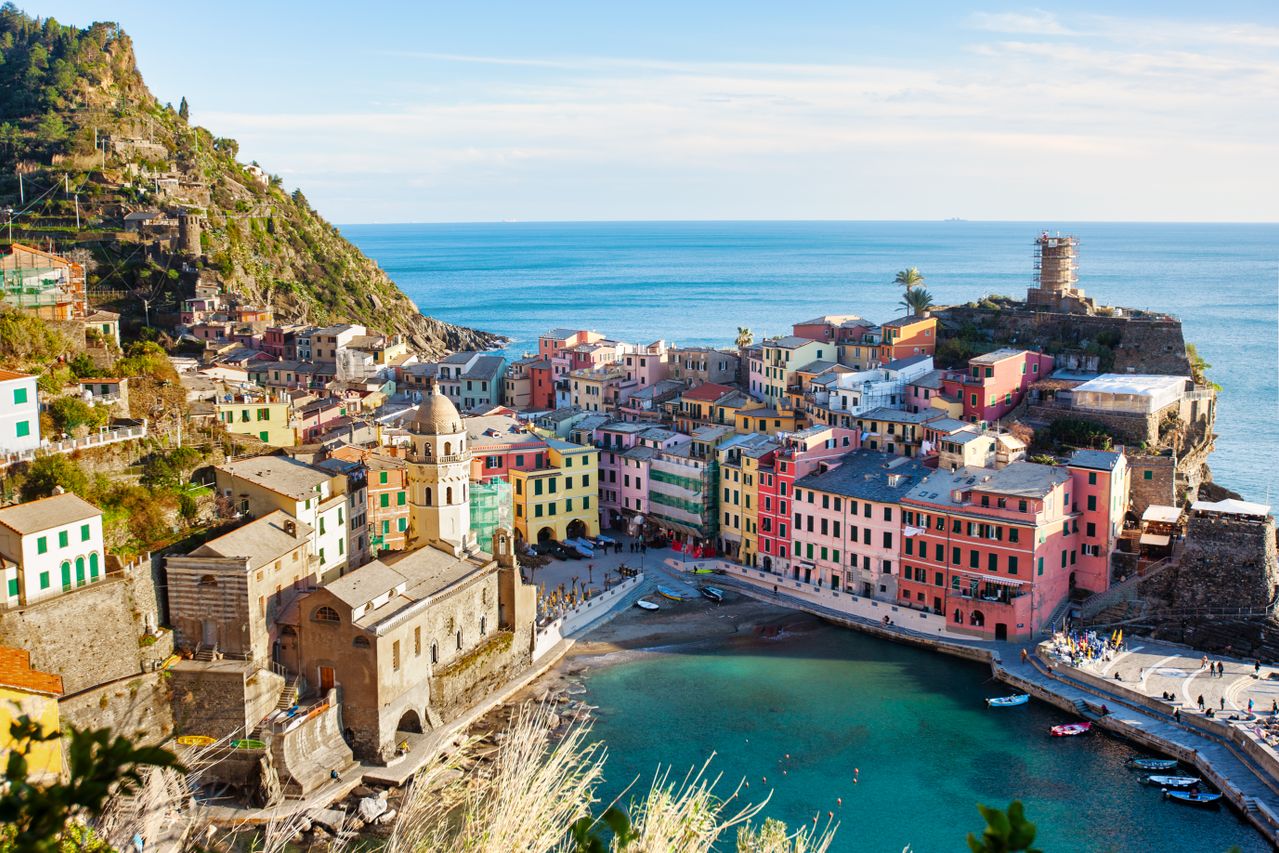
The University of Padua, founded in 1222, is one of Italy's oldest and most respected institutions. With around 65,000 students and roughly 5,200 international learners, Padua blends centuries of academic tradition with modern research and teaching. The city’s rich cultural heritage and compact campus create an engaging environment where history and innovation coexist, making it a compelling destination for international students seeking both prestige and a lively student life.

Academically the university offers about 95 programs across sciences, medicine, engineering, humanities and social sciences, with many research centers and interdisciplinary initiatives. Laboratories, libraries and museums support hands-on inquiry, while partnerships with industry and European universities open pathways to internships and collaborative projects. English-taught master’s degrees and a variety of exchange programs make advanced study accessible to non-Italian speakers and boost employability through applied research opportunities and professional placements.

International students receive tailored support through orientation, Italian language courses, visa guidance and dedicated international offices that help with housing and local integration. Career services, mentorship schemes and an active alumni network help graduates connect with employers across Europe. For students who value a historic setting, rigorous scholarship and clear routes to practical experience, the University of Padua combines academic excellence with resources and community support to help you grow personally and professionally.

About the Program

The Master in Water and Geological Risk Engineering at the University of Padua is a 2-year program that aims to form global leaders in hydrological and geological science and technology. This English-taught program is designed for students who want to address the challenges of water-induced hazards and geological risks. The program's main advantages include an interdisciplinary background and state-of-the-art skills in remote sensing, modeling, and big-data handling.

The curriculum covers topics such as climate change, water flows, risk analysis, and hydrologic/hydraulic/geological modeling. Students will develop skills in satellite, airborne, and drone remote sensing monitoring, as well as big-data handling and theoretical preparation. The program also includes hands-on components, such as fieldwork and case studies, to help students apply their skills in real-world settings.

Graduates of this program can pursue careers as Hydrologists, Geological Risk Assessors, Water Resources Managers, or Environmental Consultants in industries like government agencies, consulting firms, or research institutions. They can also work in emergency management, urban planning, or as specialists in water and geological risk reduction, using their skills to mitigate the impact of floods, storms, and landslides.
Tuition in Context

This program's tuition is about the same as the typical master's in Italy.

Median tuition for that cohort is 2,824 USD, across 1,236 programs in our catalog.

Compare Italy master's programs

English Test Requirement

This program asks for IELTS 5.5-6.0. Here's what that's worth on the other tests universities accept, based on the official concordance tables:

TOEFL iBT
46–59
PTE Academic
42–49
Duolingo
85–95
CEFR level
B1/B2
Convert your own score

Equivalences are approximate — confirm the exact test and score the program accepts.

Similar Programs You Can Apply To

Direct application via Global Admissions is not available for this program. Browse similar partner programs below or visit the university's site to apply directly.

Edit Program

Related Blog Posts

Show More Blog Posts →

Takes about 15 minutes

Complete your profile to unlock

Direct application links unlock once your profile is at least 80% complete. You're currently at 0%. It only takes a minute.