Master in Materials Science and Engineering
Introduction
About the Program
Tuition in Context
This program's tuition is about the same as the typical master's in Norway.
Median tuition for that cohort is 19,601 USD, across 74 programs in our catalog.
Compare Norway master's programsEnglish Test Requirement
This program asks for IELTS 6.5-7.5. Here's what that's worth on the other tests universities accept, based on the official concordance tables:
- TOEFL iBT
- 79–93
- PTE Academic
- 58–64
- Duolingo
- 105–120
- CEFR level
- B2
Equivalences are approximate — confirm the exact test and score the program accepts.
Similar Programs You Can Apply To
Direct application via Global Admissions is not available for this program. Browse similar partner programs below or visit the university's site to apply directly.

Huazhong University of Science and Technology (HUST)
Master in Electrical Engineering
Tuition
5,367 USD / year
LIUC, The Business University
Master in Management Engineering (Specialisation in Manufacturing Strategy)
Tuition
9,961 USD / year

Beijing Institute of Technology (BIT)
Master in Electronics and Communication Engineering
Tuition
5,170 USD / year

University of Nottingham Ningbo China (UNNC)
Master in Engineering Surverying and Geodesy
Tuition
19,181 USD / year
Beijing Institute of Technology (BIT)
Master in Information and Communication Engineering
Tuition
5,085 USD / year

Wuhan University (WHU)
Master in Structural Engineering
Tuition
5,367 USD / year
Related Blog Posts
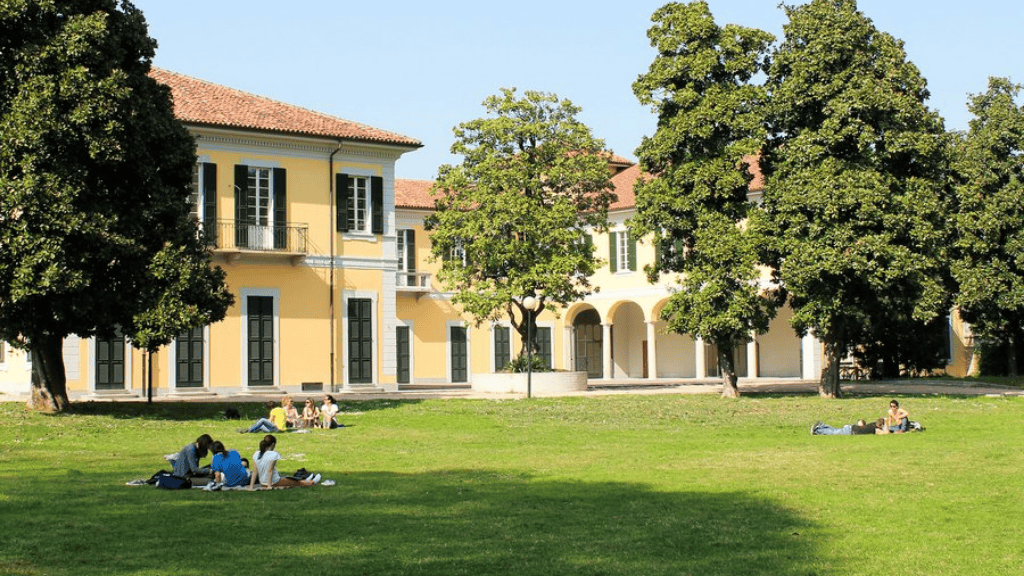
Top Programs to Study at LIUC, The Business University in 2026
February 7, 2026

8 Top Tech Schools In Malaysia For International Students in 2026
January 30, 2026

The Competence Gap Among Young People: Norway Educates Too Few Technologists
December 21, 2025

The $1.8 Trillion Opportunity: Why Norway’s Tech Boom is Europe’s Best Kept Secret
November 30, 2025
-
Deadline
- Dec 1, 2026
- Tuition
- 19,601 USD per year
-
Application Fee
- 0 USD
-
Service Fee
- 8 USD
Applying early can increase your chances of getting accepted
Takes about 15 minutes
Why Apply on Global Admissions?
- Boost Your Acceptance Rate
- Easy Online Application
- Thousands of international students use Global Admissions with 4.9 star reviews
- Free Service to Partner Universities or upgrade to our VIP Admissions Service
Takes about 15 minutes